

Why Strength Training Matters for Long-Term Health
Strength is useful in ordinary tasks, from carrying shopping to getting up from a low chair. A long-term programme should build the capacity you want to keep using and fit alongside the other activity you enjoy.
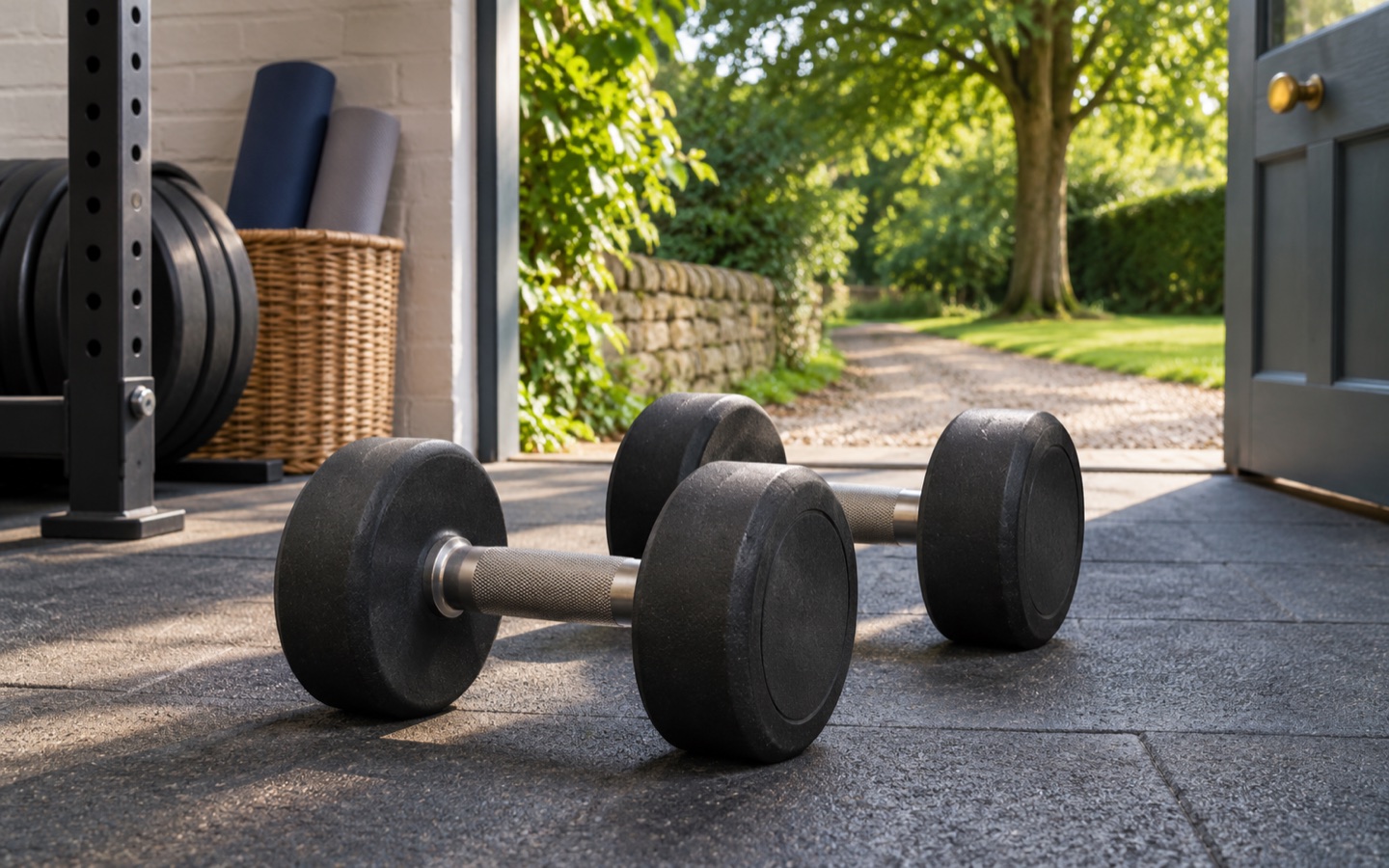
By Murad Murad · Health, Fitness & Longevity
The short answer
Strength training helps improve strength and physical function. UK guidelines advise adults to strengthen major muscle groups on at least two days a week, alongside aerobic activity. For older adults, balance-focused activity is also recommended. Observational studies link regular strengthening activity with some better long-term health outcomes, but they cannot show that a particular routine will prevent disease. [1] [2] [3]
Train for tasks you want to keep doing
Start with a task that matters. If you struggle to stand from a low chair, practise from a height you can manage. If carrying bags is the priority, practise a manageable carry and progress the distance or load. Pick a setup that lets you recognise an improvement.
Strength training challenges muscles to produce force. With regular practice, that can improve the capacity to do everyday tasks. Work across the major muscle groups over the week, including the legs, hips, back, chest and arms. [4] [2]
What the evidence says about long-term health
Trials of resistance training support gains in strength and physical function. Cohort studies ask a different question and follow people over time. A 2022 review found associations between muscle-strengthening activity and lower risk of some health outcomes. Differences in health and other habits can help explain those associations. This evidence supports taking strengthening seriously while leaving individual risks and treatment decisions with clinicians. [3] [2]
Options at a glance
- Carry shopping comfortably · Example practice: Loaded carry or gradually heavier bags · What to look for: A familiar distance feels manageable.
- Get up from a low chair · Example practice: Controlled sit-to-stand · What to look for: You can repeat the movement smoothly.
- Build capacity for walks and stairs · Example practice: Step-up or another lower-body exercise · What to look for: You can control the step and progress the dose.
- Support balance in older age · Example practice: Practice alongside a solid support where appropriate · What to look for: Progress with an individually suitable plan.
Put strengthening alongside aerobic activity
UK Chief Medical Officers recommend at least 150 minutes of moderate activity or 75 minutes of vigorous activity a week, or a mix of the two. Their guidance also includes strengthening the major muscle groups on at least two days and balance and flexibility activities for older adults. The July 2026 update emphasises that even small amounts of movement help, so start with activities you can manage and build from there. [1]
Give busy weeks a version of the plan
Keep a fallback you know how to do. For example, you could arrange a shorter session of three familiar movements when work or travel makes a full session unrealistic. Write down what you did and resume your usual plan when the week settles.
Review your plan every few weeks. If you consistently skip one day, move it. If you have made the same weights and movements easier, choose a modest progression. If a symptom or change in health affects your ability to exercise, seek appropriate advice.
Explore personal training from MuradFitness.
Frequently asked questions
Does walking count as strength training?
Walking is useful aerobic activity. To train a wider range of muscle groups, include activities that make those muscles work against resistance, using exercises that suit your ability.
How young or old do you need to be to benefit?
Strength training can be adapted throughout adulthood, including older age. Choose a starting point based on your current ability, symptoms and goals.
Sources and references
- UK Chief Medical Officers — UK physical activity guidelines
- Fragala et al. — Resistance training for older adults: position statement
- Momma et al. — Muscle-strengthening activities and major non-communicable diseases: systematic review of cohort studies
- Currier et al. — ACSM position stand on resistance training prescription in healthy adults (2026)
About the author
Founder of MuradFitness. Qualified personal trainer since 2016; BSc in Physiotherapy, completed in 2018. Coaching experience informs the practical context of these guides.
Your next step
Use a free consultation to discuss what you want to keep doing and how a straightforward strength programme could fit your week.
Related guides